
Selling a property in Newcastle or the Hunter is competitive, and buyers make up their minds quickly. A clear, practical home staging checklist helps you focus your time and budget on the changes that actually influence offers, rather than scrambling the night before photography.
In this guide, we walk through a room-by-room home staging checklist that balances DIY tasks with professional styling options. Whether you are preparing an inner-city apartment, a family home in the suburbs, or a rural property in the Hunter, these steps are designed to help your home present at its best and attract serious buyers fast.
Create a Strong First Impression From the Street
Street appeal sets the tone before buyers even reach your front door. Many will decide within seconds if a property feels worth their time, based on what they see from the footpath or in the online hero photo. A neat, welcoming exterior tells buyers the home has been cared for and makes them more forgiving of minor interior quirks.
Start with a visual sweep from the road. Look at the front garden, driveway, letterbox, fencing and house numbers. Everything should look clean, secure and in good repair. Trim hedges, mow lawns, weed garden beds and pressure clean paths and driveways so the entrance feels bright, not tired or grubby.
Small, low-cost upgrades can have a big visual impact, for example:
- Repainting the front door in a fresh, modern colour.
- Replacing tired hardware like handles, knockers and doorbells.
- Updating house numbers and the letterbox for a more current style.
- Fixing broken fence palings and touching up peeling paint.
For courtyards and balconies, scale is key. Choose compact outdoor furniture that leaves enough space to move around, then add a couple of potted plants, a small outdoor rug and cushions to soften the area. Fresh mulch in garden beds, a few flowering plants at the entry and clean outdoor lighting help the home feel warm and inviting without a big spend.
As professional stylists, we often start with an exterior audit, pointing out quick wins that will show up in photography and at open homes. A targeted list of improvements means you are not guessing where to put your effort.
Whole-Home Prep: Declutter, Clean and Neutralise
Before bringing in furniture or décor, every home staging checklist should start with the same four steps: declutter, depersonalise, deep clean and repair. This gives you a clean slate so styling can work properly.
Decluttering is about creating breathing room, not stripping the home bare. Pack away:
- Excess furniture that crowds rooms.
- Out-of-season clothing and linen.
- Most ornaments, kids’ artwork and fridge magnets.
- Extra appliances, toys and pet items.
For smaller Newcastle homes and apartments, think vertical storage and under-bed boxes to temporarily hide everyday items. Many homeowners find it helpful to designate one cupboard or garage corner as a staging zone for packed boxes during the sale.
Deep cleaning is the next non‑negotiable. Buyers notice:
- Streak-free windows that let in maximum light.
- Dust-free fans, skirting boards and light fittings.
- Fresh grout and clean silicone in wet areas.
- Odour-free carpets, rugs and soft furnishings.
- Clean light switches, door handles and sliding door tracks.
Neutralising your style does not mean removing all character; it means toning down distractions. Soften bold feature walls with light, neutral paint, swap heavy curtains for sheers or simple blinds where possible, and limit personal photos and collections. The goal is for buyers to imagine their own life in the space, not feel like a guest in yours.
DIY often works well for basic decluttering and cleaning. If time is tight or the job feels overwhelming, professional cleaners, painters and trades can be worth the investment. As stylists, we help prioritise which maintenance and cosmetic fixes are likely to make a real difference to your sale price.
Room-by-Room Home Staging Checklist for Key Living Areas
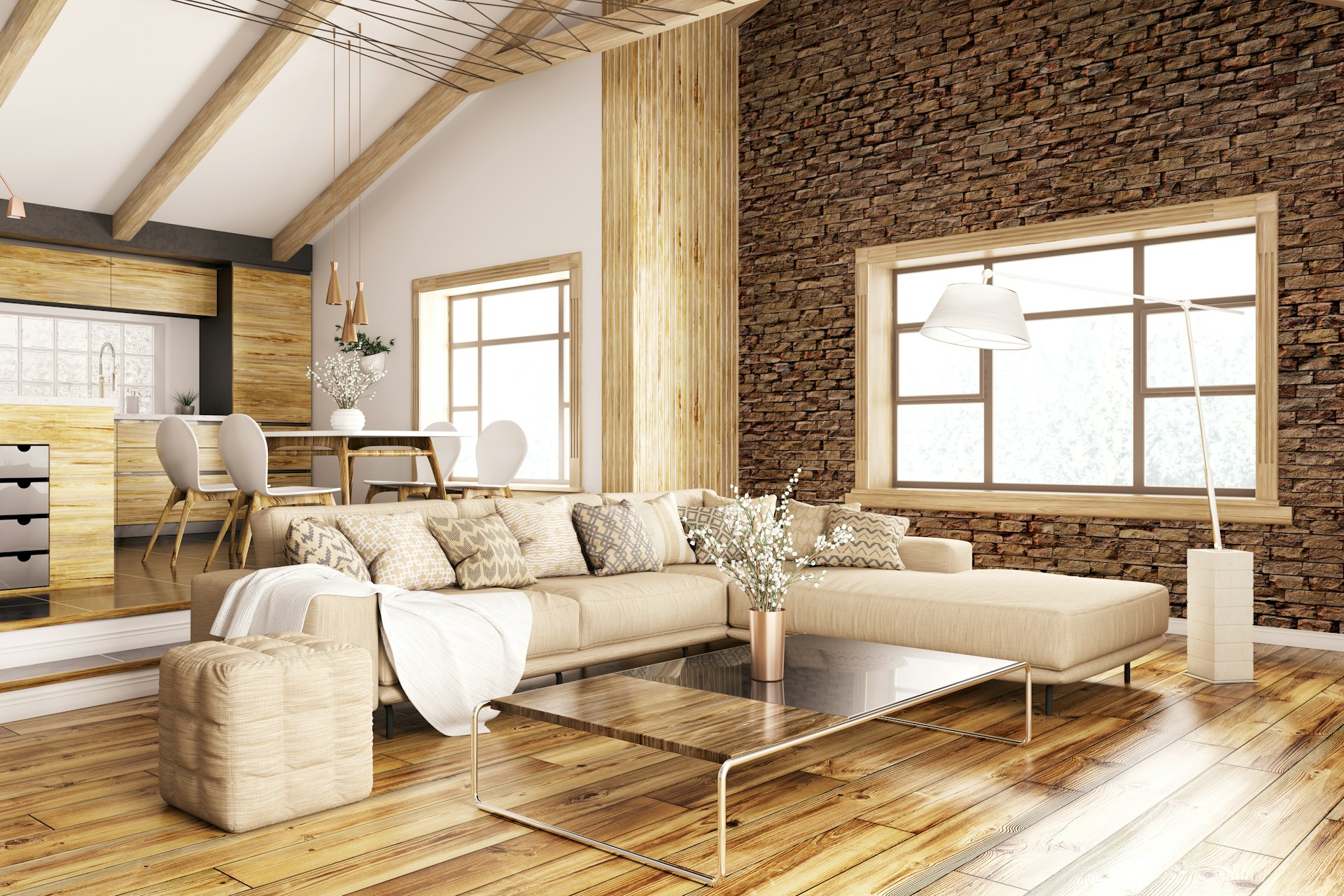
In the living room, aim for space, flow and a clear focal point such as a fireplace, a feature window or a TV wall. Avoid pushing all furniture against walls. Instead, create a conversation zone with a sofa, one or two armchairs and a coffee table, leaving obvious walkways. Use rugs to define the seating area and choose artwork that is appropriately sized for the wall. Make sure curtains are open and bulky furniture is not blocking natural light.
DIY tips for living rooms include editing cushions and throws to a calm colour palette, hiding cords, and removing extra side tables that clutter the room. Professional property styling can bring in scaled furniture and artwork that photograph beautifully and make the room feel larger.
For the dining area, the table should suit the room, not the other way around. A table that is too big makes the space feel cramped, while one that is too small can feel underwhelming. In many open-plan Newcastle homes, we use a rug and pendant lighting to visually anchor the dining zone. Keep table styling simple, such as a runner, a vase and a small cluster of decor.
Kitchens sell homes, so keep benchtops mostly clear. Leave out only a few well-chosen items such as a stylish chopping board, a plant or a quality toaster or kettle. Tidy inside cupboards and the pantry, as buyers often peek in to judge storage. Affordable updates like new handles, tapware or a painted splashback can refresh dated finishes without a full renovation.
With more buyers working from home, a tidy office or study nook is a real asset. Set up a minimal desk, a comfortable chair and good lighting. Hide messy cables and limit accessories to a notebook, a lamp and perhaps a plant so the space reads as functional and calm.
Bedrooms, Bathrooms and Hidden Spaces Buyers Inspect
The main bedroom should feel like a retreat, not a storage area. A good rule is to keep only the bed, bedside tables, a dresser and, if space allows, a small chair. Choose calm, coordinated bedding with layers of pillows, cushions and a throw in soft tones. Bedside lighting creates an inviting, hotel‑like atmosphere.
Kids’ and guest rooms benefit from simplified themes. Remove oversized furniture, bold wall decals and busy bedding that can distract buyers. Instead, keep décor neutral and flexible so buyers can easily picture the room as a nursery, guest room or home office, depending on their needs.
Bathrooms and ensuites must feel spotless. Focus on:
- Cleaning or re-grouting tiles where needed.
- Refreshing silicone around showers, baths and vanities.
- Replacing worn towels with fresh, neutral sets.
- Hiding personal products, toothbrushes and razors.
A small tray with a candle, a plant or a neatly folded hand towel can give a spa-style touch without overdoing it.
Do not forget laundries, hallways and storage. A tidy laundry with clear benches, closed detergent bottles and a hanging plant feels far more appealing than a cluttered utility zone. Hallways should be free of trip hazards, with only a few key pieces like a console and mirror if space allows.
Serious buyers open wardrobes and cupboards, so these need to be part of your home staging checklist. Aim for neatly folded stacks, matching hangers and some open space on each shelf to create a sense of generous storage rather than bursting cupboards.
DIY Styling vs Hiring a Newcastle Home Staging Professional
A good home staging checklist and some elbow grease can take you a long way, especially in an occupied home. Many owners are comfortable decluttering, cleaning and doing basic styling themselves, then adding a few new pieces like cushions, lamps or plants.
Professional home staging steps it up, particularly for vacant properties or homes where the existing furniture does not suit the target buyer. Hired furniture, art and accessories are chosen to match the property’s style and scale, and to photograph well for online listings. A well-styled vacant home feels warm and lived-in, which helps buyers connect emotionally.
In general, DIY can be enough when:
- You are living in the home and have reasonably current furniture.
- The budget is tight and the property is likely to attract strong interest anyway.
- There is limited time and you only need light styling for photos.
Professional staging tends to deliver more impact when:
- The property is vacant and would otherwise feel cold or small.
- It is a higher-value or unique home that needs a polished presentation.
- The market is slower and you need to stand out.
At Get Staged Newcastle, we typically start with an in-home consultation to assess the property, then create a tailored styling plan. From there, we select and supply furniture and décor, install everything before photography and opens, then remove items once the campaign is finished. We work alongside local agents so staging fits smoothly into your overall selling process and timeline.
Turn Your Home Staging Checklist Into a Sale
The most effective way to use this home staging checklist is to move through the property methodically, outside to inside, one space at a time. Rushing the night before photography usually leads to half-finished rooms and hidden clutter that buyers will still notice.
As you work, take test photos on your phone from the same angles an agent or photographer might use. The camera often shows things the eye misses, from crooked artwork to messy cords or crowded benchtops. Small tweaks at this stage can have a big impact on how the home looks online and in person.
With thoughtful preparation, clear priorities and the right mix of DIY and professional help, your home can make a strong first impression, attract more interested buyers and set you up for a faster, more rewarding sale in the Newcastle and Hunter market.
Get Started With Your Project Today
If you are ready to get your property market-ready, our detailed home staging checklist is a simple way to see what to tackle first. At Get Staged Newcastle, we walk you through each step so nothing important is overlooked. We can tailor recommendations to your home, timeline and budget, and answer any questions along the way. To discuss your next move or book a consultation, please contact us.